Fujifilm GFX kit lens
Is the Fujinon GF 35-70/4.5-5.6 lens - which you sometimes get when buying a Fujifilm GFX camera. It is an equivalent to a 28-55 mm zoom lens. Compact, light weight and a bit plasticy. If bought together with the camera, you basically only pay 500 € for it, and if buying it as a stand alone lens - it costs around 1050 €.
A very good lens (in general)
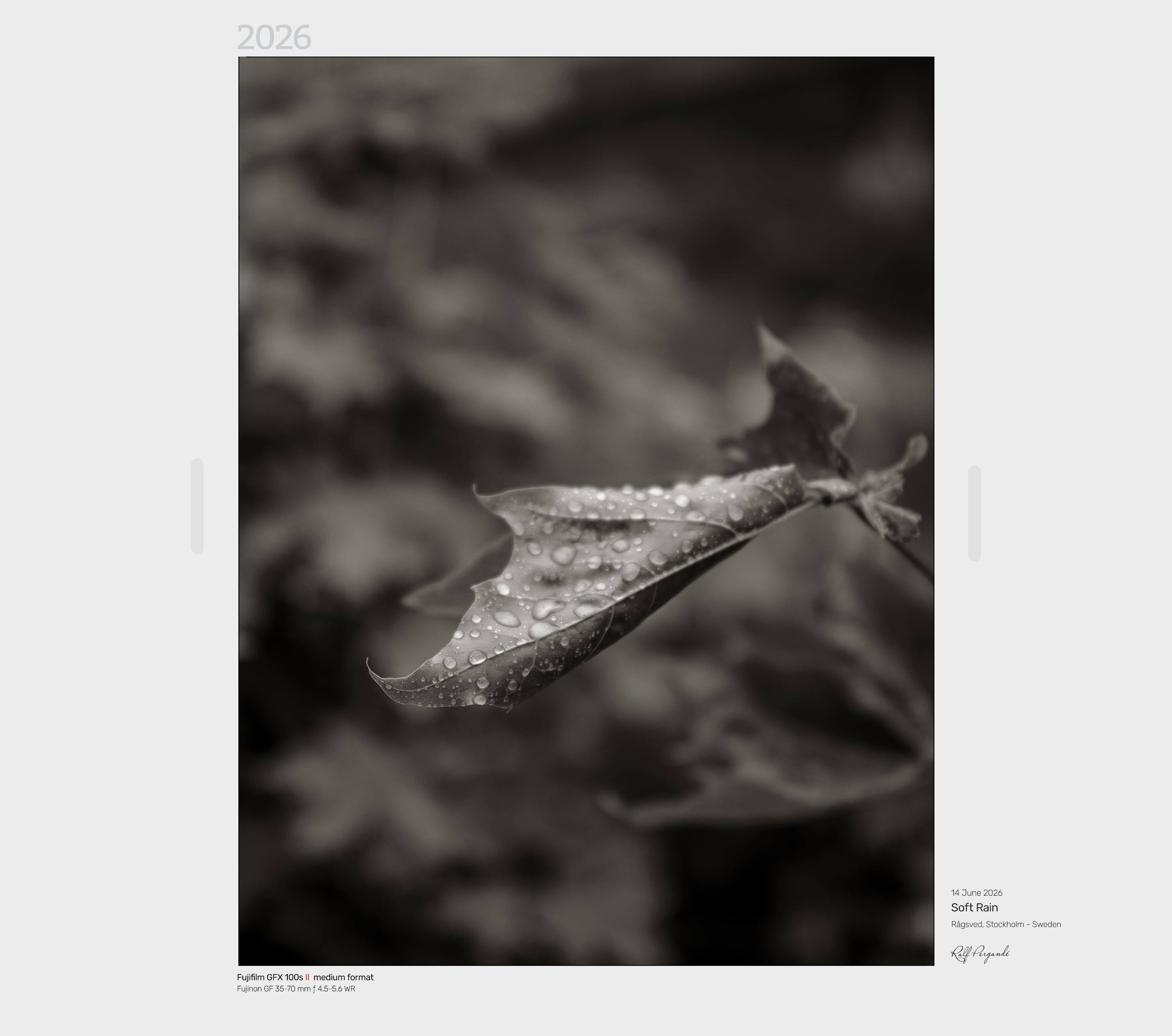
Now, this zoom is actually a very good lens - but comes with two catches; when using it at wide open aperture, the micro detail sharpness is a bit on the soft side. ESPECIALLY when you use the longest setting of 70mm - (and used in the close range !) - then you can see a sort of soft glow. Like in the above photo.
Now this phenomena is a bit stronger on the GFX 100 series, I have noticed. Albeit in the center where the point of sharness / focus lies, you can still see the finest details when you zoom into a photo - just with a softish appearances. Which in fact, can be used to your advantage for certain motives.
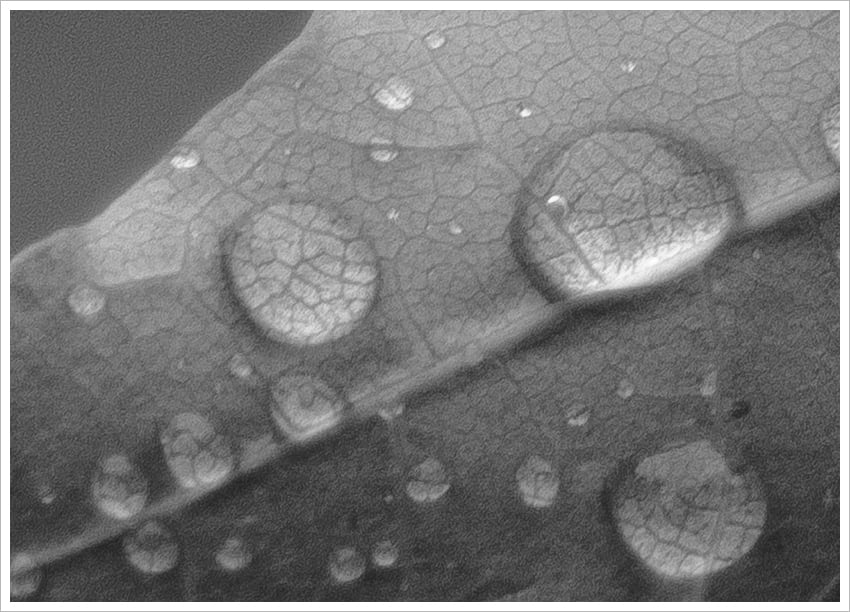
• 70mm ƒ5.6 at min focus distance at 100% • (some very slight shake is visible as the leaf was constantly moving)
Once you stop it down
it gets very sharp ! Sharper then many third-party adapted lenses, and on top it covers the larger sensor for real, without strange effects.
I feel, it is actually a splendid lens and practical lens useful for a lot of motives.
The important aspect is, to know its character - like any other lens: When to use it at wide open aperture, vs when using it stopped down to let's say ƒ8 at least. (The wide angle setting is brighter, as well more forgiving, and sharper). The light weight combined with being relatively small, makes this a great all around lens on the go.
There is no reason to think of it as a lower quality lens. It is not. Just stop it down some notches - and there it is - a wealth of crisp quality in details, from corner to corner even on a 102 MP sensor camera.
Softer lenses on High Resolution cameras
Now having 102 MP resolution in a photo - and you make it smaller, like here in my Diary - it actually gives the motive / object, a pleasant rendering ! It is easy to forget, that when you work with high resolution cameras like the GFX series - you usually look at the photo much smaller. Unless you blow it up to 2 meter - even a softer, not quite as sharp lens - can give you absolutely wonderful images.
I think, in the end it is all about learning to know your lenses; it's weaknesses, its character, and the variation of rendering style, when you compare the performance at wide open aperture vs when stopped down.
In the old days of analog mediumformat cameras
The lenses we used on mediumformat cameras like Hasselblad, Mamiya, Bronica and Rolleiflex etc - where for the most, never crispy sharp when you used them at wide open aperture. It was when you stopped them down 1-2 stops, sharpness and definition really took off.
Almost all mediumformat lenses worked that way ! And since the negatives where so large - you always had a sense of sharpness in the final prints, regardless what aperture you used.
A few exceptions
There were a few exceptions, coming into the world around the mid 90s and into the 2000s. Mamiya for example developed a line of APO lenses for their professional RZ67 studio camera. Those lenses are truly extra ordinary: Super sharp finest details at wide open aperture without optical errors like fringing and chromatic aberrations.
The Mamiya APO Sekor 210 mm ƒ 4.5 comes to mind. It really stands apart from the traditional line of Mamiya RZ67 lenses (which already where excellent, but of course not until you closed them down with 1-2 aperture stops).
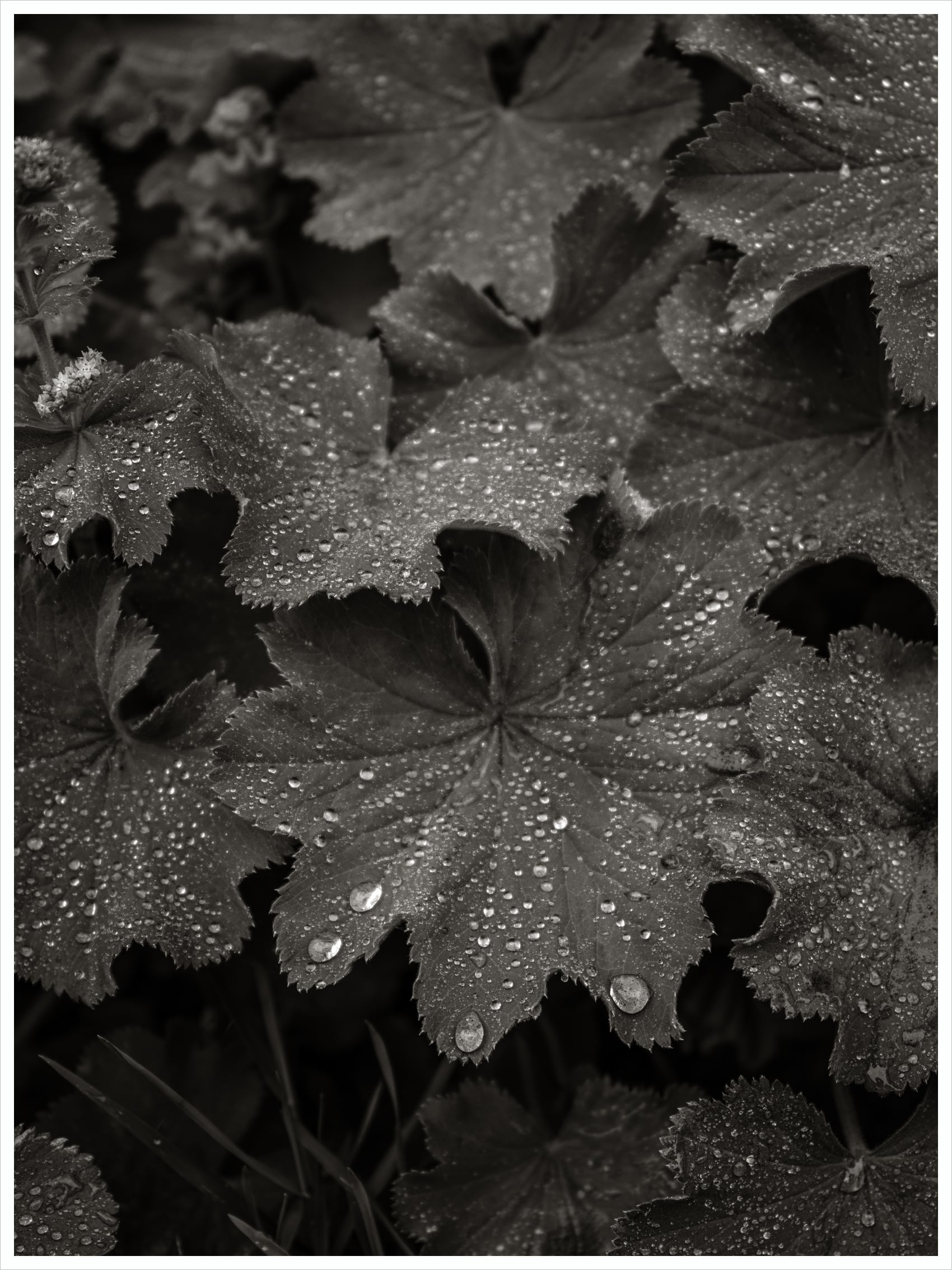
The image below
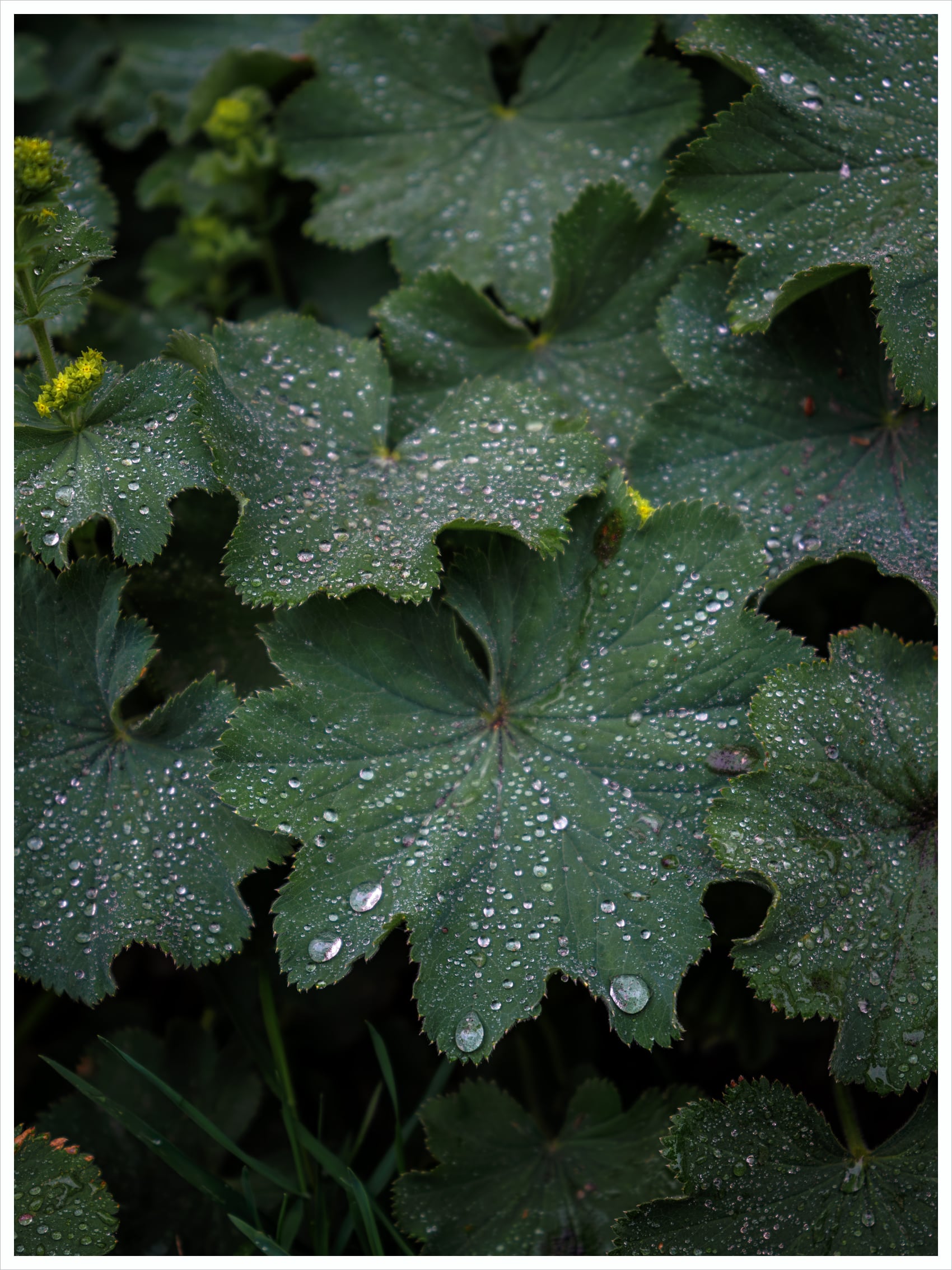
It too, was taken at wide open aperture ƒ5.6 at the longest focal length of 70 mm (equivalent to a 55mm normal lens on fullframe). Despite a weaker optical performance - there are plenty of details visible, no ?
The darker corners and borders, i added later in post. I often do that with these types of images, in order to "frame" and "center" them for the eye of the beholder. Personally i prefer the Black & White images, as it looks more "kept together", focusing on patterns rather than colors. |