Since I don't really want to spend 21.000 SEK on a second hand Fujifilm GF 250 mm ƒ 4 IS lens, i am trying out my existing 200 to 300mm lenses on the Fujifilm GFX 100s II camera.
With mixed results.

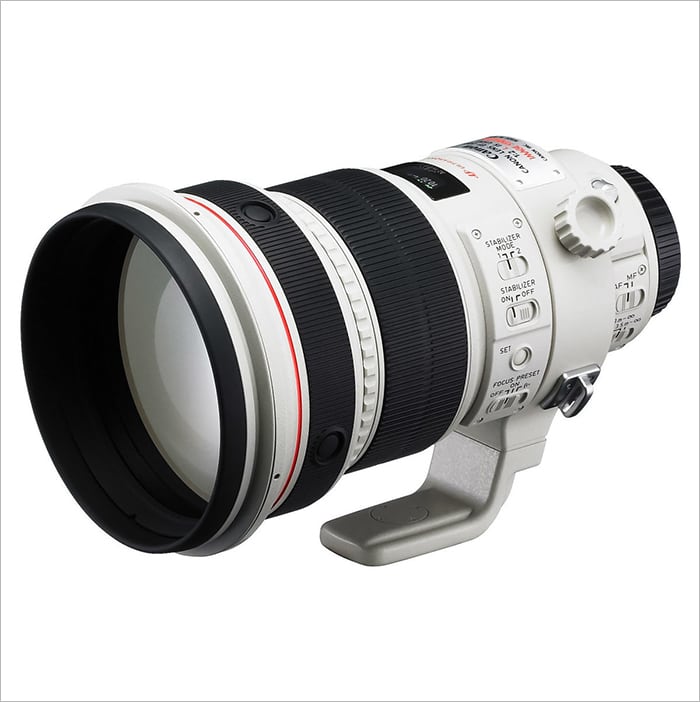
Canon EF 200/2 L IS
One which surprised me a little bit, was when i used the big, chunky white Canon EF 200/2 L IS which on 102 MP camera at wide open aperture ƒ2 was soft-ish in the micro details.
The micro contrast was lower - but the sharpness was there. (Of course got better once stopped down into very sharp details)
It is a lens with older design made for dSLR cameras. Already on mirrorless Canon R cameras, you can spot that the lens - especially on higher resolution sensors, has a bit less micro contrast. Requiring gentle sharpening in order to get back that legendary biting sharpness for which it was famous for.
The lens was introduced back in 2007/08 i believe - so, it was made for dSLR lenses and "low" res sensors up to 20 MP. Since then, time has moved on, approaching almost 20 years. Putting it on a Fujifilm GFX 100s II with 102 MP (or 60 MP fullframe camera), is of course a lot steeper for this lens. (which by the way is now a legacy lens, and very soon / or / already, isn't serviced by Canon anymore)
The AF was slow-ish on the faster Fujifilm GFX 100s II. The overall handling was not to my delight this time. And yes, the extreme corners do show some vignetting. Very little, but it is there in the most extreme corners (no matter if you used lenshood or not). Same goes for Canon EF 300/4 L IS both with/without lenshood.
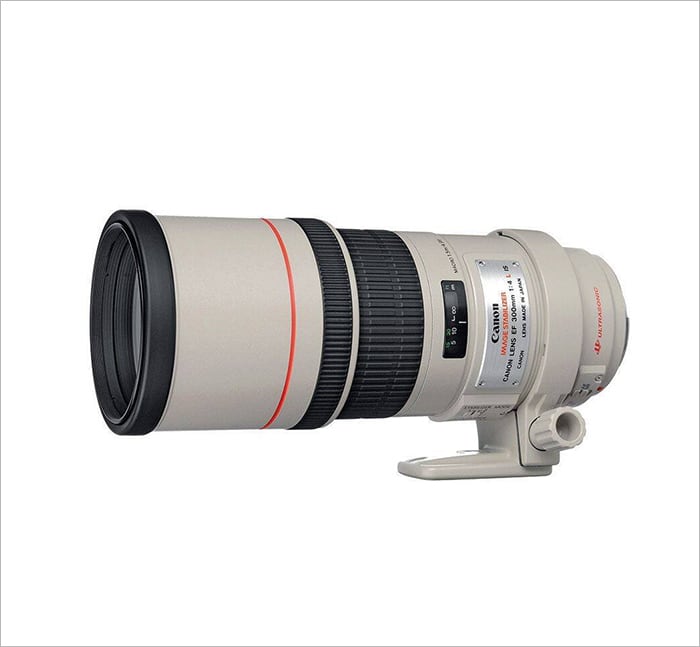
Canon EF 300/4 L IS
One which surprised me - was the Canon EF 300mm ƒ4 L IS lens. That one is even older - but somehow i now like this lens very much on the GFX 100s II camera. Not only is it physically smaller and lighter, but the AF felt almost like what i felt 20 years ago. Slow-ish, but the feeling of how the AF works, reminded me immediately of how it worked on an older Canon EOS dSLR camera.
I didn't engage the image stabilization, and relied on the GFX 100s II internal. I believe, that with third party AF lenses, you never have both IS enabled; e.g. internal camera IS + Lens IS = no ! You use either or - otherwise it interferes with sharpness.
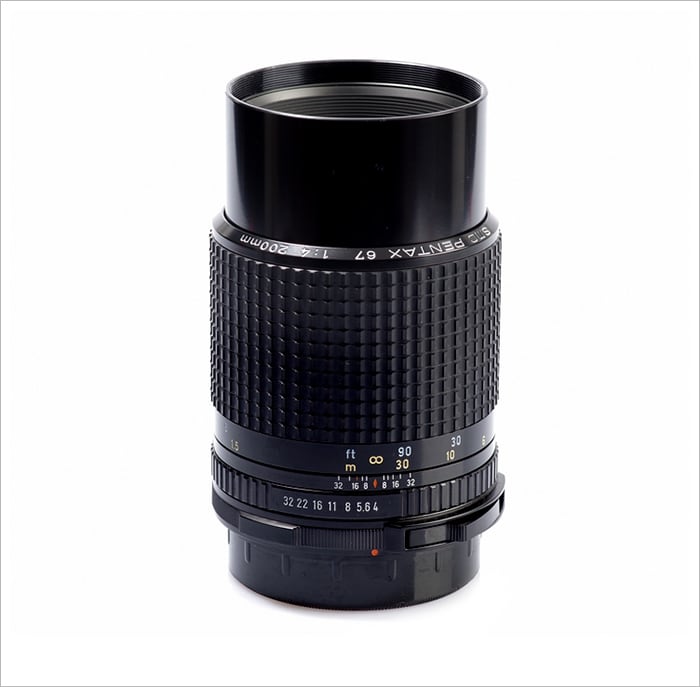
Pentax 6x7 SMC 200 mm ƒ4
This one was mellow - with a lot of green-red fringing around the finer details. Which most Pentax 67 lenses do when used wide open. Once you stop them down, this diminishes. It had a nice background bokeh.
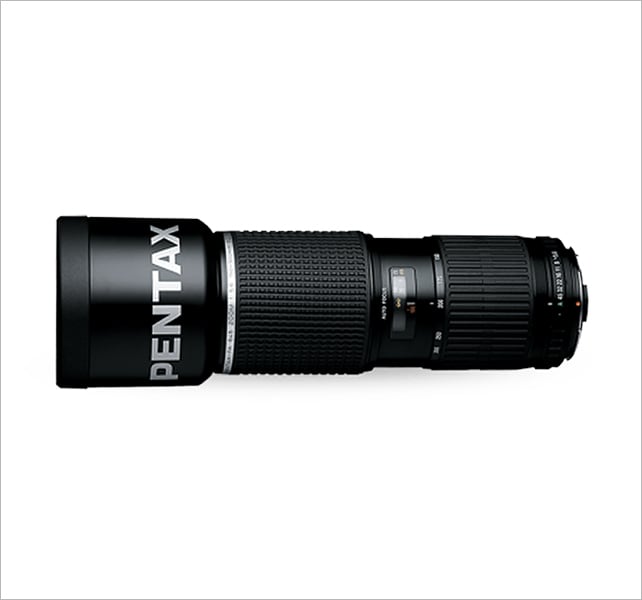
645 Pentax-FA 100-300 mm ƒ5.6 ED (IF)
This one also was surprising when i tested it at 200mm. In terms of optical performance it was definitely a step up compared to the 6x7 Pentax 200/4 lens for sure; with a lot less chromatic aberrations when used wide open. Once i sharpened ever so gently, it was very good showing micro details. (Remember, i also sharpened the images made with the Canon EF 200/2 L IS - which was the sharpest of them all).
Followed by the long Pentax 645 100-300/5.6 ED zoom together with the Canon EF 300/4 L IS - both strong contenders. Last in line was the 6x7 Pentax 200/4 mediumformat lens out of these 4 lenses.
However - when you look at images taken with a 102 sensor - all lenses look gorgeous on a computer screen after post-processing. That's the thing. The sensor has so insane many megapixels, that in an overall photo - all lenses perform excellent.
In the end
it is perhaps more about weight, handing etc.
Once I get the Fringer P645-GFX AF adapter in my hands - it is possible that the 645 Pentax-FA 100-300/5.6 ED IF could become a very interesting all-round zoom for the Fujifilm GFX 100s II camera.
I will have to take it out into the city, in order to see how it manages various scenes - in order to get a better feeling of quality, handling and if any issues arise.
The Canon EF 200/2 L IS on the other hand - let's face it is -- well, simply best performing on Canon EOS cameras - where the AF is way faster, too. I am not a fan really to use it on GFX camera. It is possible sure - but a very bulky combo. with slow AF even on a newer GFX 100s II.
Pride 2025
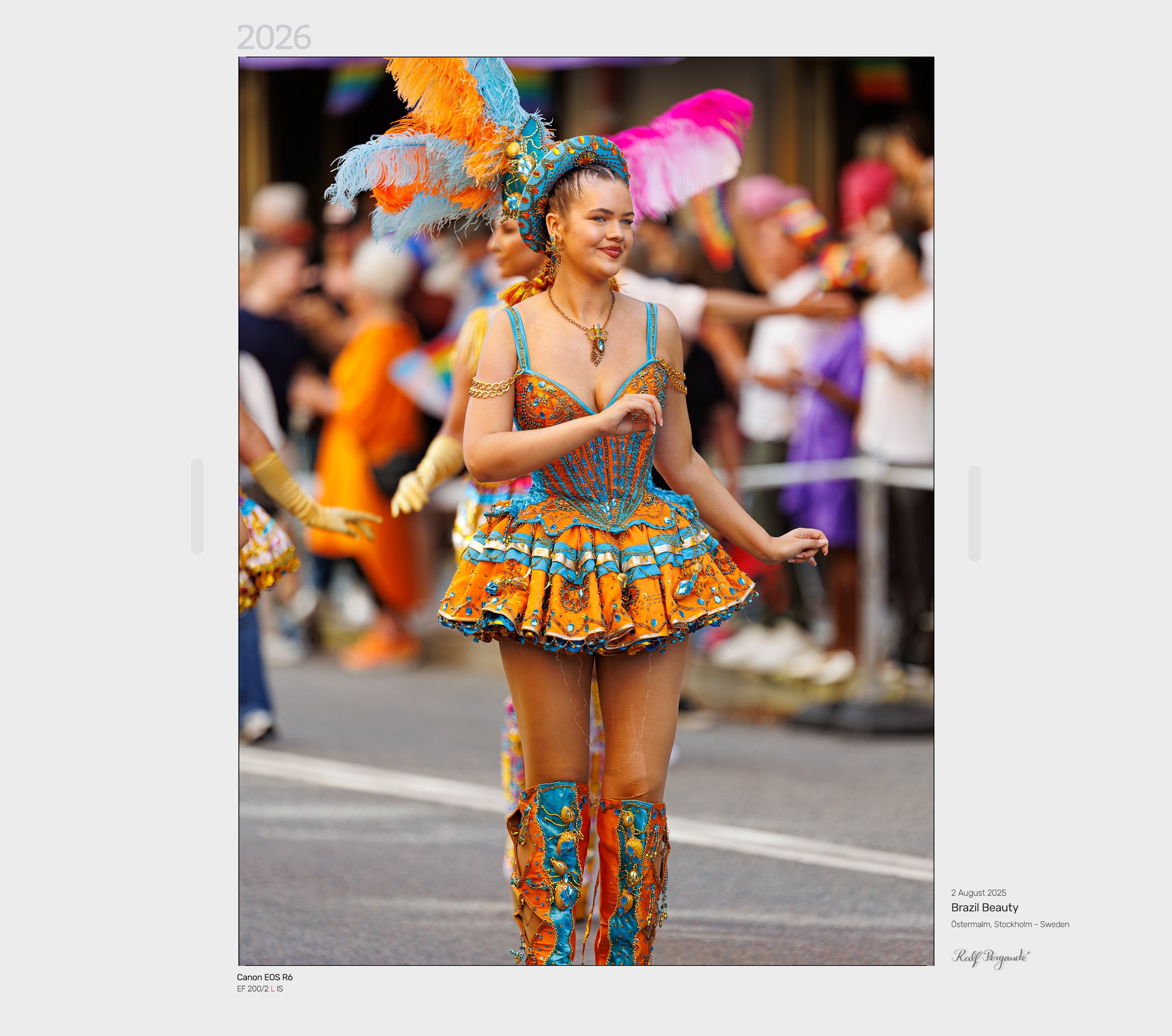
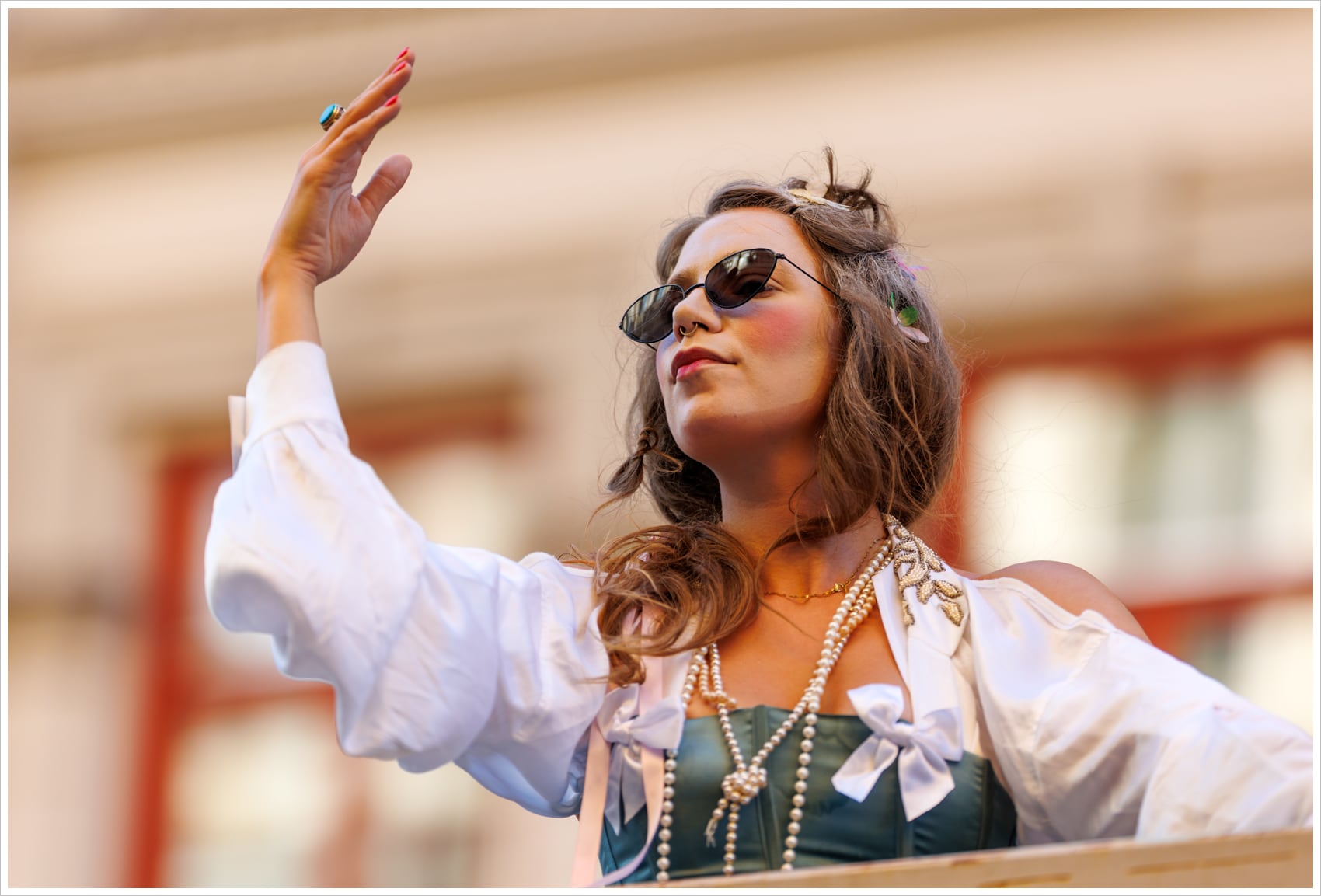
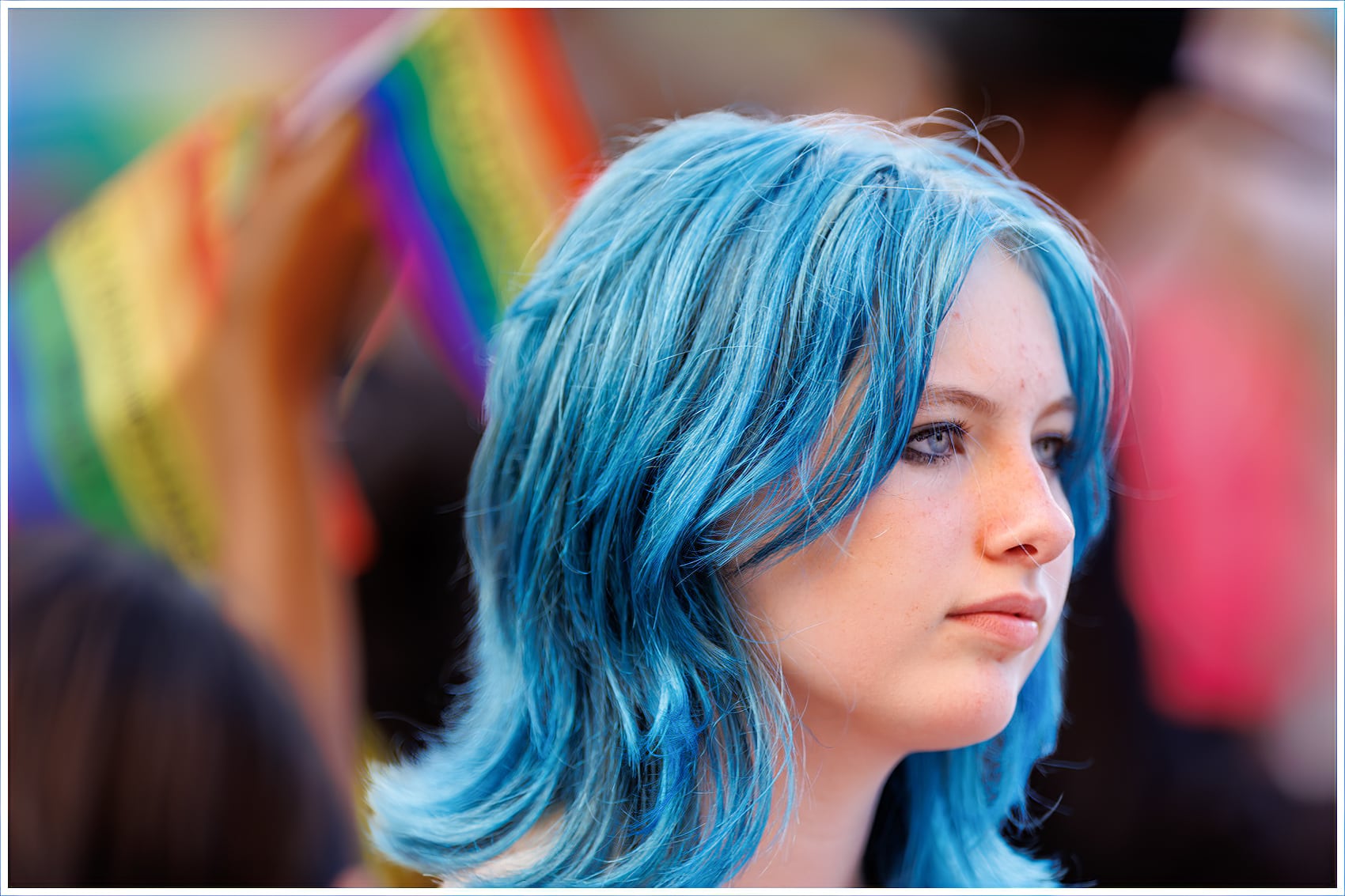
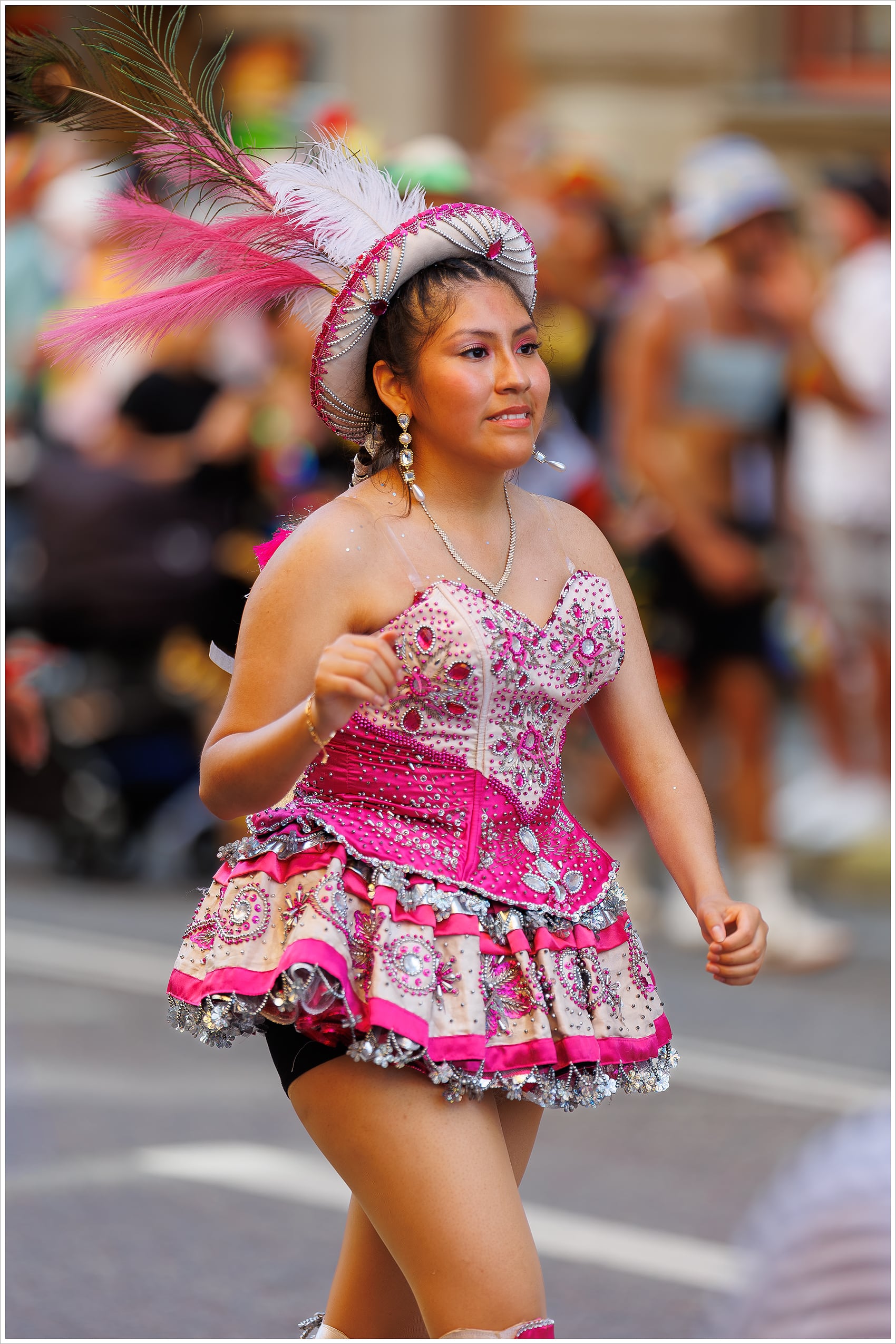
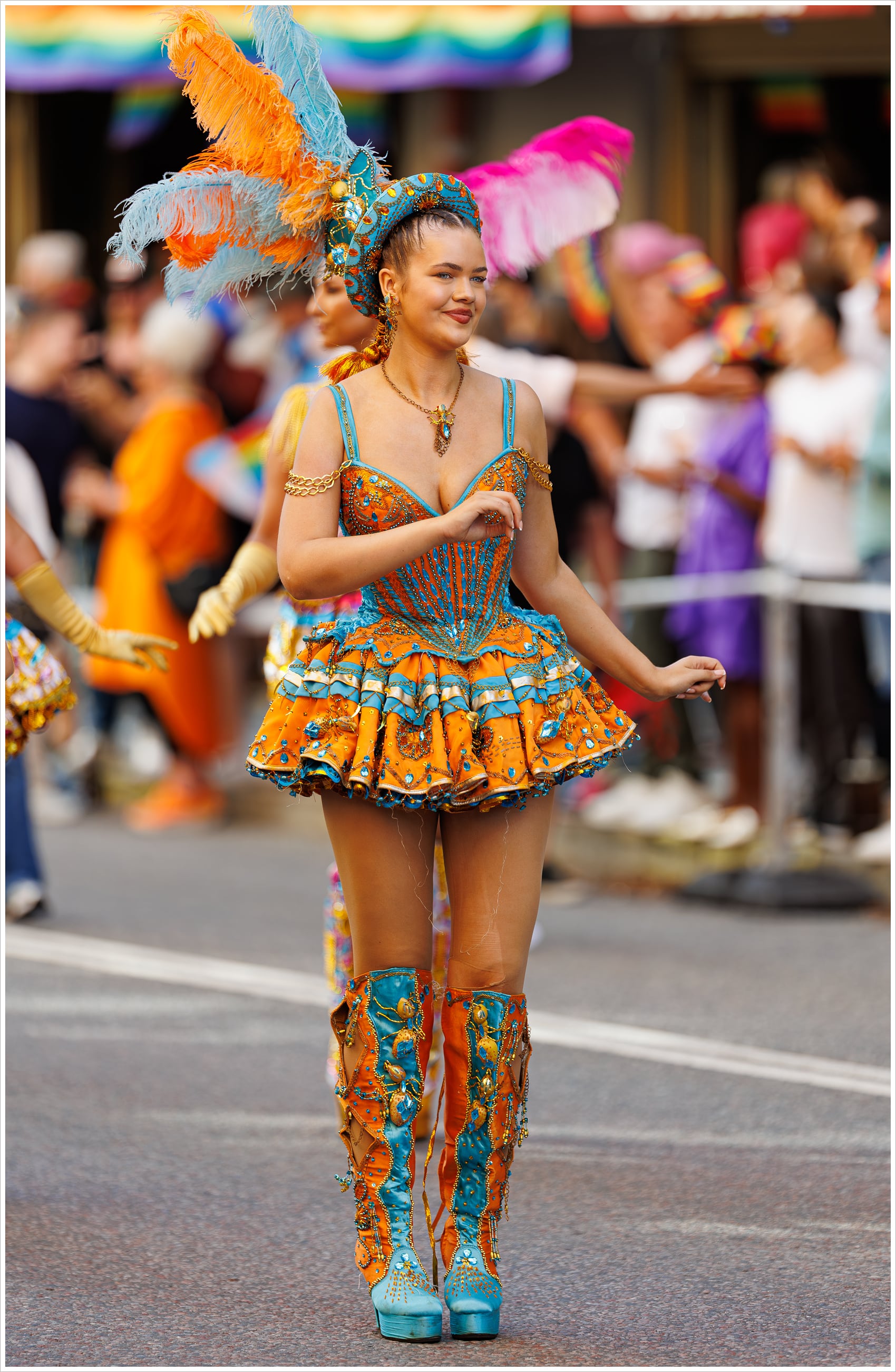
Using the the EF 200/2 L IS gives portraits truly a special appearance. Kind of like a 135mm ƒ 2 lens on steroids.
I am sure the recently introduced Sigma 200/2 with its much better price today and latest optical tech - is perhaps the best choice for anyone wanting to explore the realm of a 200mm lens portraits at ƒ2 - resulting into utmost creamy backgrounds, which makes such portraits so special. Unfortunately this lens is only available for L-Mount cameras. *bummer*
Here below some Canon EF 200/2 L IS images from last years pride 2025 in Stockholm. That is kind of the event to be, if you love portraits of people - because you can make portraits of whomever you like - the variations of people is endless. Additionally, the atmosphere is extremely positive and open. Also; there are many types of people, straight, gay and everything in between, and all kinds of creations you can think of. I noticed that many more straight people where present in 2025, compared to the time in the 2010s.
Also crazy amounts of ads/companies involved, who earlier never where present. They filled the show-off wagons with a lot of straight people, almost as if they used their employees to fill them up (because there are not enough with gay people *LOL*) It was all about advertising really - and had nothing truly to do with the core of Pride.
Nevertheless, Stockholm Pride is like a folk festival - and a huge crowd, both actors and watchers along the streets. Which makes it a dream for a portrait photographer. It is also a show off for many creative people (not really that gay, but who love street carnival. The Latino countries often have super creative outfits in their parade. People do put a lot of effort in their creations.
I think of Pride, more like a carnival show. Dressing up is FUN and childish in a positive sense. I didn't see anything too rude or dirty. |